Hi Readers!
It's been suggested to me through the survey (
http://haemobloggings.blogspot.co.uk/2016/01/survey.html), that I should provide some content to help with exams for GCSE students!
So today's new post is on GCSE Biology for the Edexcel Exam Board (which has been the most requested).
First up, is the
Digestive System:
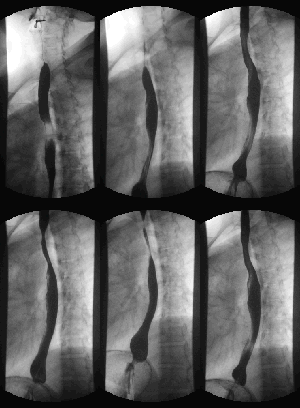
Food is moved down the digestive system by peristalsis - the squeezing motion of food being pushed down the gut by the muscles.
Mouth
- The teeth chew food into a bolus for an increased surface area for the enzymes
- Saliva moistens
- Salivary enzymes chemically digest
- Salivary amylase breaks down starch to glucose
Oesophagus
- Muscular tube which contracts in waves
- Squeezes food to the stomach by peristalsis (but you already know what that is, smarty pants)
Stomach
- Muscular bag with Hydrochloric acid and enzymes
- Proteins are digested (the acid provides optimum pH for enzymes)
- Microbes are destroyed
Pancreas
- Makes digestive enzymes and releases them into the small intestine
Liver
Gall bladder
- Stores biles
- Salts to emulsify fats to again, increase the surface area
- Neutralises stomach acids
Small intestine
- Contains lots of digestive enzymes
- Most of the large insoluble food molecules are broken down to soluble molecules which are absorbed by the blood through the villi
Large Intestine
- Undigested food
- Water and minerals are absorbed into the blood
- Main function: push faeces to rectum
- Faeces are then egested from the anus
Rectum
Anus
More next time about enzymes and the villi!
But for now, here's some more information about the digestive system (just don't peak at next week's :D)
http://www.bbc.co.uk/schools/gcsebitesize/science/add_edexcel/common_systems/digestionrev1.shtml
- Geeker