Showing posts with label Blood. Show all posts

Friday, 11 March 2016

BrightMed Session 3: Are you tensing for angiotensin?

Well it definitely was a while ago that BrightMed Session 3 occurred, but I've been so busy that I only now have the time to write about it!

This time's session was about the creation of our own drug, and I've been really looking forward to this time for a long time.

I'm pretty proud to say our drug was named "Renogen" (guess who came up with the great name)

As the tweet above describes, Renogen is a synthetic angiotensin replacement

But what does that mean?

Let's begin by describing perfusion:

This is the process of supplying all of the vital organs with enough blood to carry nutrients and oxygen, and remove waste products.

Or you can take a definition from Mr. Wikipedia:

In physiology, perfusion is the process of a body delivering blood to a capillary bed in its biological tissue. The word is derived from the French verb "perfuser" meaning to "pour over or through."
Now we've established that, let's talk about hypertension.

Hypertension is described as blood pressure that is greater than 140/90, and can cause things such as stroke, myocardial infarctions, or even retinopathy.

So, how do we actually get blood pressure? Well, we times the flow with the resistance, of course!

Blood pressure = cardiac output x the peripheral resistance.

Another thing to note: stroke volume x heart rate, gives your cardiac output!

Now we can look at cardiac output!


  1. The sympathetic nervous system
  2. Releases noradrenalin
  3. Bind to β receptors in heart
  4. Increased heart rate and stroke volume
The opposite?

  1. The parasympathetic nervous system
  2. Releases acetylcholine
  3. Binds to M receptors in heart

 Now for a very important fact: the more calcium there is, the more contractions we have.

So, in your heart

Na (Sodium) > β receptors > Ca2+ (Calcium) channel opens > Increased Ca2+ > Increased contractions

ACh (acetylcholine) > M receptors > Ca2+ (Calcium) channel closes> Decreased Ca2+ > Decreased contractions

And in your vessels:

Sympathetic Nervous System > NA > A1 Receptors > Ca2+ (Calcium) channel opens  > Increased contractions

Don't worry, there's no reverse of this for the vessels, as they can simply "relax"

So, we can now look at the Renin Angiotensin Aldosterone System... but not just yet... there's more information coming soon!

Well, we can
- Geeker

Monday, 10 August 2015

What's In My House?! Itchy? Bites?

 What's In My House?!

It's time for a new guessing game; where I present to you our patient, Bill. Bill lives in a typical suburban house, but, he often gets ill. Bill will present to you with his symptoms that have been causing him discomfort?

Can YOU diagnose Bill?

Name the cause, where it's found, and advise on treatment! It's all in your hands!

This is his home: 


Patient Name: Mr Bill

Age: 28

Symptoms: 

Several bites in a line

Welts itch intensely

Blood stains on his sheets

Skin is red

   
- Geeker

Friday, 7 August 2015

Friday, 23 January 2015

First-Aid Friday: Something different...

Hmm... Something different today...

I thought I would try a more 'Clinical-First-Aidy-Sort-Of-Procedure Day'

So, for today; here's a guide video on how to perform a venepuncture!


- Geeker

Wednesday, 26 November 2014

Massive Post Time: What gave it away?

Woo! It's time for a massive post!

That's right, I haven't abandoned you this week!

It may be easy, but it's sure fun to write!

So...

All of these pictures, descriptions and anagrams relate to a particular condition... Can you guess what? If you know the answer, comment saying which hint made you guess!

Secret Sunday: 


Mash-Up Monday:

T E B A S E D I E

Wednesday Words:

"describes a group of metabolic diseases in which the person has high blood glucose"


- Geeker

Tuesday, 30 September 2014

Wednesday Word - Zygomycosis

Zygomycosis - This fungal infection is often found in people who have immune-system deficiencies or illnesses. If un-treated, it can spread to the blood, the eyes, and even the brain.

[Credit: MedTerms.com]


- Geeker

Sunday, 28 September 2014

Mash-Up Monday! - A Hearty Guess!


L D I C M O A Y R A          C T F A N N I O I R


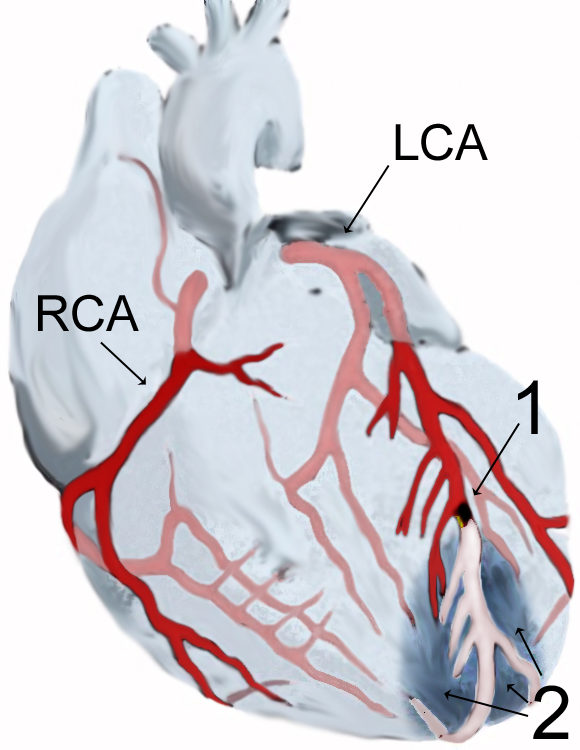
Hint: Blood stops flowing towards a part of your heart muscle, often caused by blood clot.


- Geeker