Showing posts with label Heart. Show all posts

Friday, 11 March 2016

BrightMed Session 3: Are you tensing for angiotensin?

Well it definitely was a while ago that BrightMed Session 3 occurred, but I've been so busy that I only now have the time to write about it!

This time's session was about the creation of our own drug, and I've been really looking forward to this time for a long time.

I'm pretty proud to say our drug was named "Renogen" (guess who came up with the great name)

As the tweet above describes, Renogen is a synthetic angiotensin replacement

But what does that mean?

Let's begin by describing perfusion:

This is the process of supplying all of the vital organs with enough blood to carry nutrients and oxygen, and remove waste products.

Or you can take a definition from Mr. Wikipedia:

In physiology, perfusion is the process of a body delivering blood to a capillary bed in its biological tissue. The word is derived from the French verb "perfuser" meaning to "pour over or through."
Now we've established that, let's talk about hypertension.

Hypertension is described as blood pressure that is greater than 140/90, and can cause things such as stroke, myocardial infarctions, or even retinopathy.

So, how do we actually get blood pressure? Well, we times the flow with the resistance, of course!

Blood pressure = cardiac output x the peripheral resistance.

Another thing to note: stroke volume x heart rate, gives your cardiac output!

Now we can look at cardiac output!


  1. The sympathetic nervous system
  2. Releases noradrenalin
  3. Bind to β receptors in heart
  4. Increased heart rate and stroke volume
The opposite?

  1. The parasympathetic nervous system
  2. Releases acetylcholine
  3. Binds to M receptors in heart

 Now for a very important fact: the more calcium there is, the more contractions we have.

So, in your heart

Na (Sodium) > β receptors > Ca2+ (Calcium) channel opens > Increased Ca2+ > Increased contractions

ACh (acetylcholine) > M receptors > Ca2+ (Calcium) channel closes> Decreased Ca2+ > Decreased contractions

And in your vessels:

Sympathetic Nervous System > NA > A1 Receptors > Ca2+ (Calcium) channel opens  > Increased contractions

Don't worry, there's no reverse of this for the vessels, as they can simply "relax"

So, we can now look at the Renin Angiotensin Aldosterone System... but not just yet... there's more information coming soon!

Well, we can
- Geeker

Sunday, 10 January 2016

Last Week's Answers 20!

 Are you ready for this week's answers?


(Well, tough, you're getting them anyway)

Secret Sunday: A Hearty Game!

Image credit: sciencekids.co.nz


 Mash-Up Monday!

The theme:

The skin!

Words:

  • Dermis
  • Follicles
  • Keratin
Random word:

  • Appendix

Wednesday Words: The Cochlea!


According to Wikipedia:

The cochlea (plural is cochleae) is a spiraled, hollow, conical chamber of bone, in which waves propagate from the base (near the middle ear and the oval window) to the apex (the top or center of the spiral). Rosenthal's canal or the spiral canal of the cochlea is a section of the bony labyrinth of the inner ear that is approximately 30 mm long and makes 2¾ turns about the modiolus.

- Geeker

Sunday, 3 January 2016

Sunday, 18 October 2015

BrightMed: Session 1!

 Time has gone quickly, as yesterday was another session back at BrightMed! And, I have to say, they never fail to interest!

This is definitely going to be a long post, so grab your tea or coffee, and get reading!

We began the session by scrutinising the differences between primary care and secondary care. We found various job roles for each, let's take a look at some here:

Primary care:
  • General practitioner (GP)
  • Family doctor
  • Nurse practitioner
  • Pharmacist
  • Optician
  • Dentist

Secondary care:
  •  Hospital
    • Dermatologists
    • Urologists
    • Cardiologists
  • Specialised clinics
  • Speech therapists
  • Occupational therapists 

Next, we looked at a multidisciplinary team. One example was poor Mrs Beaton, who was diagnosed with breast cancer. Here are some people who could be at a multidisciplinary team to discuss her treatment:

  • Cancer nurse
  • Occupational therapist
  • Radiologist
  • Social worker
  • GP
  • Pathologist
  • Oncologist
  • Health care assistant
  • Surgeon
  • Physiotherapist
  • Clinical biochemist
  • Pharmacist 

 After this, we discussed how to take a person's history. Do you know the steps?

Here is what they suggested:

Introduction
  • Introduce yourself
  • Explain why you are there
  • Ask for consent
Patient demographics
  • General information about the patient (Name, age, etc.)
Presenting complaint
  • Briefly, why has the patient arrived today? 
History of presenting complaint

  • Details about the presenting complaint
Past medical history
  • Past experience of health problems
 Drug history
  • List of medicatinos they take
  • Allergies?
Family history
  • Medical conditions/causes of death within the family
Social history
  • Home life and hobbies
  • Alcohol consumption and tobacco use
 And then, you're done taking the history!

So, apart from that, what can you check for on examination?

First you need to use the acronym "WIPER" - Wash, Introduce, Permission, Expose, Reposition

Next, you're ready to get hands on (which the patients consent, of course)!

Hands
-Any signs of clubbing?
-Xanthomas (these can signify high cholesterol/lipids)
-Nicotine stains

Arms
-Xanthomatus eruptions
-Pulse (radial) - you can also check for a delay between both wrists, too
-Blood pressure

Neck
-Pulse (carotid)

Face
-Pale conjunctivae
-Corneal arcus (common in the elderly, but in young people it can signify high cholesterol/lipids)
-Xanthalasma
-Nicotine stained teeth
-Cyanosis

Chest
-Pectus exavatum
-Pectus carinatum
-Scars
-Pacemaker
-Auscultation sites (aorta - base right, pulmonic - base left, mitral - apex, and tricuspid - left lateral stermal border)

Legs
-Peripheral oedema (fluid)

Ankle
-Pulse (posterior tibial artery)

Wow! That's a lot of examination!

Next, was Station 3 - Heart Sounds!

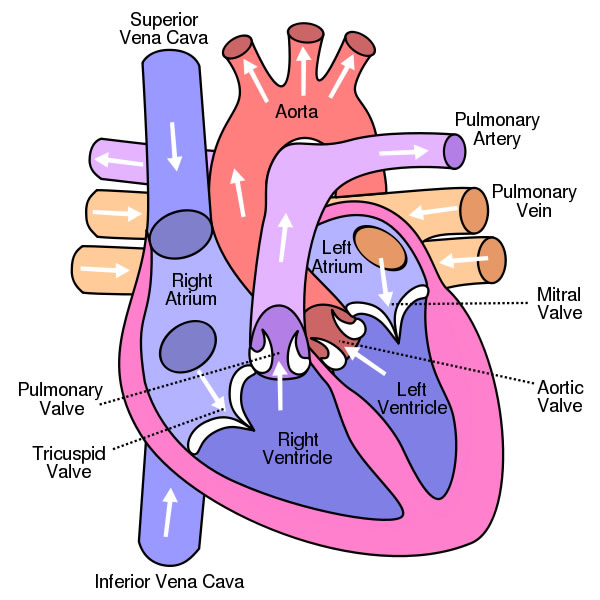
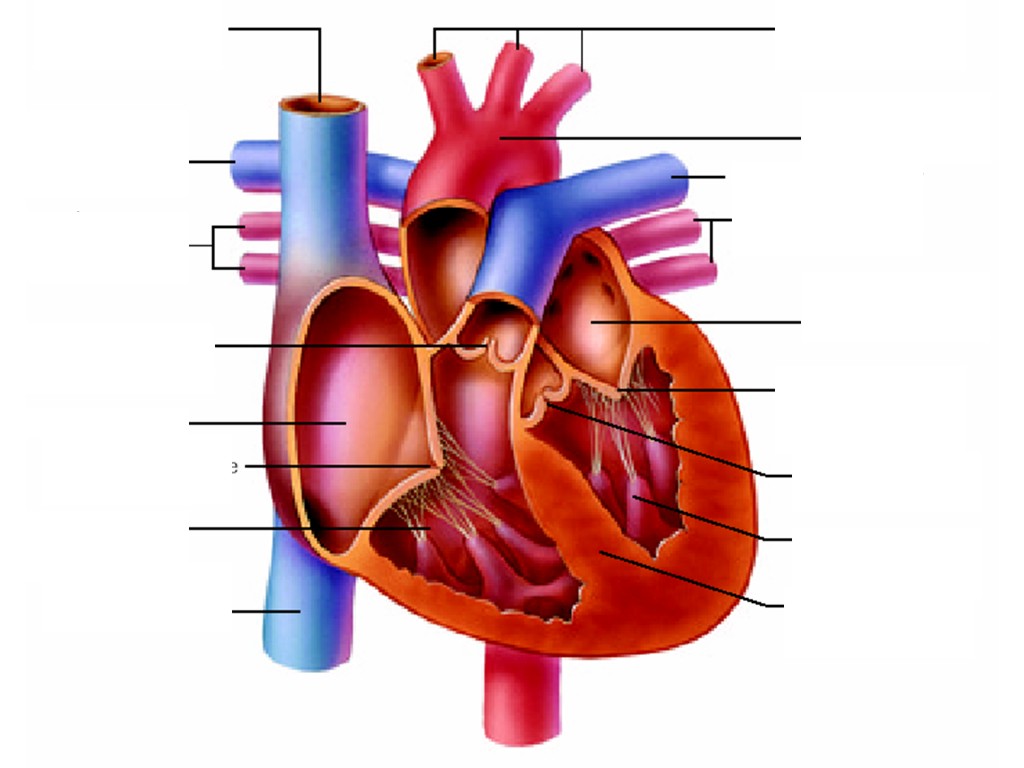
First, let's look at the parts of the heart that are involved:

Systolic Vs Diastolic. [Source: http://healthy-ojas.com]
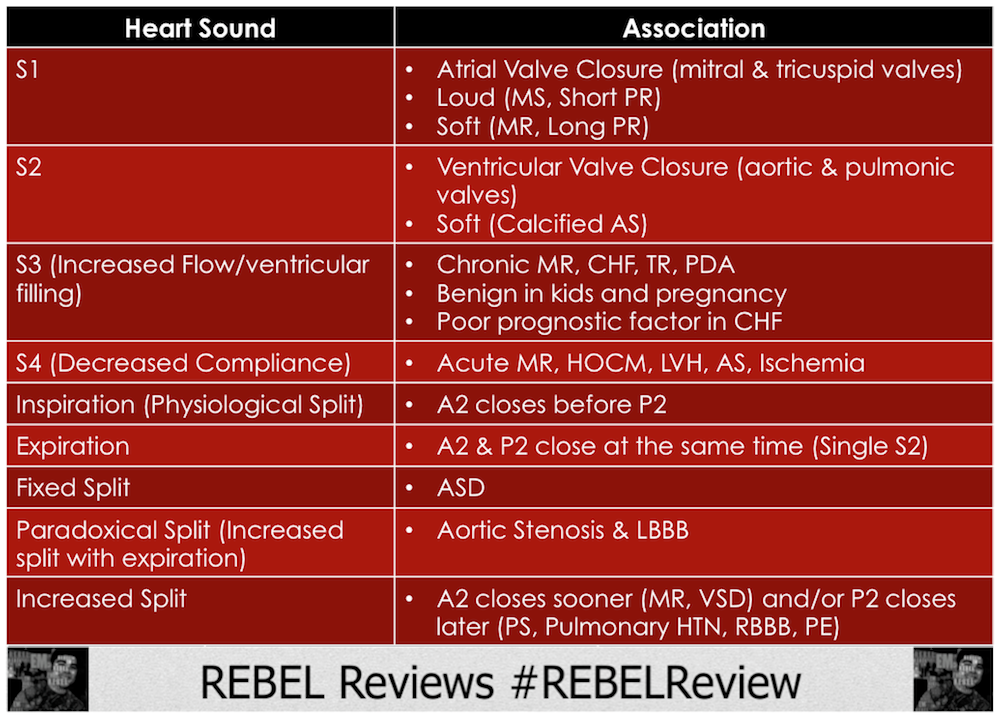
Next, we can take a look at the normal Vs abnormal sounds for a heart:

[Source: Wikipedia]

Curious to what these abnormal sounds can signify?


In simple terms:

Stenosis is a narrowing
Regurgitation is leaking

Here's part one of a very interesting video:


Finally, we looked at ECGs - Electrocardiogram

Which is the "recording of electroactivity of the heart using electrodes placed over the heart, wrists and ankles"

What can effect it?

  • Heart rate monitoring
  • Arrhythmias
  • Disorders in the activation sequence
  • Increased thickness
  • Myocardial ischemia and infarction
  • Drugs 
We monitor them through a series of waves:

Then, we look at the heart's electrical system:

Finally, here's a great video of ECG cardiac arrhythmias


What a day!

Don't forget to follow @BrightMed on Twitter!

 
- Geeker

Saturday, 26 September 2015

Dissections and Surveys!

Hi, everyone!

 I did some cool lung and heart dissections recently!

 Here's a pic:


But, besdies that, it would be absolutely great if you could take part in this survey - don't worry, it's absolutely anonymous.

https://www.surveymonkey.com/r/SW2MRML

Thanks in advance!

- Geeker

Wednesday, 17 December 2014

Wednesday Words: Heart Time?

 [WORD] is a rare congenital heart defect in which the left ventricle of the heart is severely underdeveloped.

- Geeker

Friday, 21 November 2014

First-Aid Friday: Help! My Chest Hurts!

Evenin' to all readers!

First-Aid Friday again!

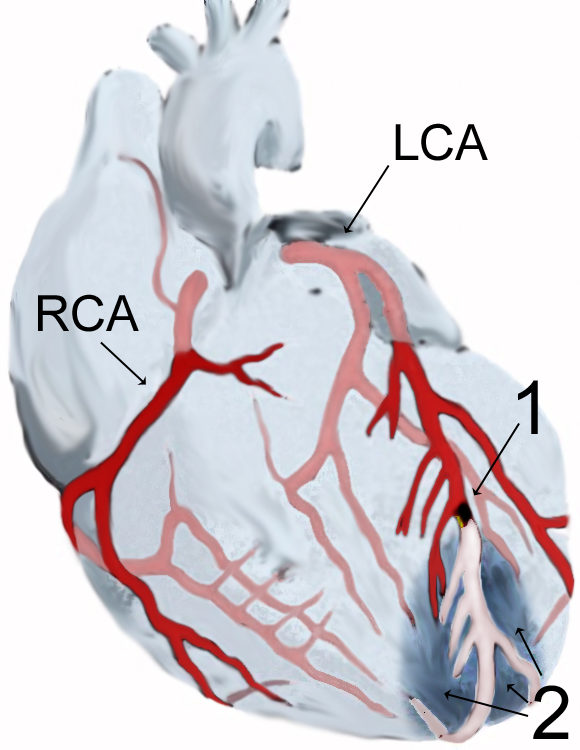
This time, do you know how to treat someone for a heart attack?


- Geeker

Saturday, 11 October 2014

BrightMed 1: The Story Begins...

Off to a great start, and ended with a fantastic finish; BrightMed has just begun!

And the 'long' journey was definitely worth the wait. (Apart from the roundabouts - no one likes roundabouts...)

You know that moment when you're sitting in a lecture hall, waiting for the time to go by? Nope, can't say I do, not today at least!

Really, it was absolutely amazing. I think the most admirable part, was the fact that we were all treated as adults, as respected human beings, as potential doctors.

 So, how about I tell you what we did? I don't know why I bothered asking, I'm going to tell you anyway.


  1. Anatomy Session - Everyone knows how crucial anatomy is for becoming a doctor, but no-one really knows how entertaining it is. Seriously, if a student ever says they dislike it, they don't. They're either lying, or in the wrong theatre...
  2. S B E E T A I D - Here's another thing we learnt about... Can you work out what it is?
  3. Being taught by students - This was awesome, UTIs, heart circulation and kidneys - All in one session! Plus, a free insight into the students high quality of teaching.
  4. Now we're on the subject of heart circulation... - I have to admit, previously I thought that a practical walk around a virtual Circulation of the Heart wouldn't be beneficial. How wrong I was. Not only was it incredibly educational, it's also fascinating to see how systematic and precise the circulatory system is!
  5. Possibly the highlight of my day: taking medical history - Not only did we get to see an Oscar winning performance, but we were able to experience some amazing clinical application of the skills we learnt. Mr Beaton, do you know your SOCRATES?
Mum's response: "So you liked it then?"

For now, here's a video for those of you who wish to learn more about Atherosclerosis...


- Geeker

Sunday, 28 September 2014

Mash-Up Monday! - A Hearty Guess!


L D I C M O A Y R A          C T F A N N I O I R


Hint: Blood stops flowing towards a part of your heart muscle, often caused by blood clot.


- Geeker