In light of the grand round we began the session with, do you know what Lansoprazole is, and is used for?
Image credit: Wikipedia source
To give you a hint, it's a "Proton-Pump inhibitor" - which I'll explain with the answers!
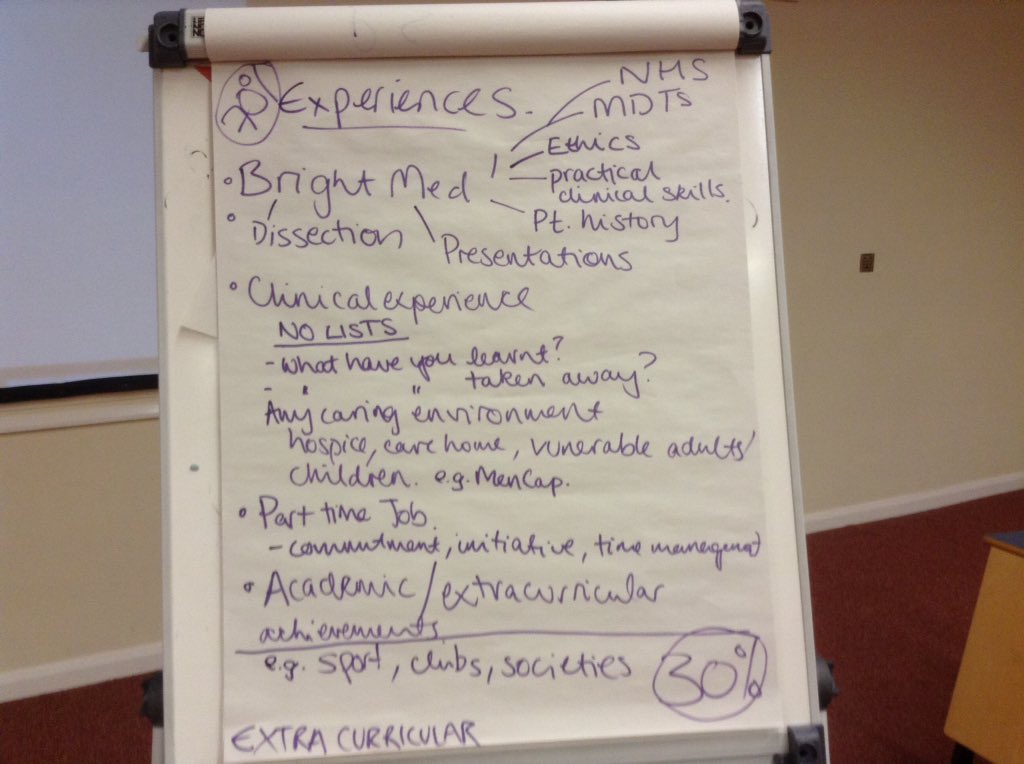
Next, we took a look at a selection of personal statements: deciding whether or not to give the candidate an interview.
Here's our notes:
Are you making careless mistakes on your personal statement?
There's some more information here: https://www.oxford-royale.co.uk/articles/analysis-personal-statement.html
After that, we focused on interviews!
One of my best tips is to record yourself when practicing with a friend, or someone you know - it can help you to reflect back on what went well, and what to improve in the future!
Things you shouldn't do in an interview?
Use small filler words like "Um", "Er" or "Like"
Give short, simple sentences
Use inappropriate language
Yes/No answers
Giving lists
Looking downwards at your lap, feet, or hands
Habits
Image credit: Cornonthejob
Don't forget to go and like and follow BrightMed BSMS on Facebook and Twitter!
Time has gone quickly, as yesterday was another session back at BrightMed! And, I have to say, they never fail to interest!
This is definitely going to be a long post, so grab your tea or coffee, and get reading!
We began the session by scrutinising the differences between primary care and secondary care. We found various job roles for each, let's take a look at some here:
Primary care:
General practitioner (GP)
Family doctor
Nurse practitioner
Pharmacist
Optician
Dentist
Secondary care:
Hospital
Dermatologists
Urologists
Cardiologists
Specialised clinics
Speech therapists
Occupational therapists
Next, we looked at a multidisciplinary team. One example was poor Mrs Beaton, who was diagnosed with breast cancer. Here are some people who could be at a multidisciplinary team to discuss her treatment:
Cancer nurse
Occupational therapist
Radiologist
Social worker
GP
Pathologist
Oncologist
Health care assistant
Surgeon
Physiotherapist
Clinical biochemist
Pharmacist
After this, we discussed how to take a person's history. Do you know the steps?
Here is what they suggested:
Introduction
Introduce yourself
Explain why you are there
Ask for consent
Patient demographics
General information about the patient (Name, age, etc.)
Presenting complaint
Briefly, why has the patient arrived today?
History of presenting complaint
Details about the presenting complaint
Past medical history
Past experience of health problems
Drug history
List of medicatinos they take
Allergies?
Family history
Medical conditions/causes of death within the family
Social history
Home life and hobbies
Alcohol consumption and tobacco use
And then, you're done taking the history!
So, apart from that, what can you check for on examination?
First you need to use the acronym "WIPER" - Wash, Introduce, Permission, Expose, Reposition
Next, you're ready to get hands on (which the patients consent, of course)!
Hands
-Any signs of clubbing?
-Xanthomas (these can signify high cholesterol/lipids)
-Nicotine stains
Arms
-Xanthomatus eruptions
-Pulse (radial) - you can also check for a delay between both wrists, too
-Blood pressure
Neck
-Pulse (carotid)
Face
-Pale conjunctivae
-Corneal arcus (common in the elderly, but in young people it can signify high cholesterol/lipids)
-Xanthalasma
-Nicotine stained teeth
-Cyanosis
Chest
-Pectus exavatum
-Pectus carinatum
-Scars
-Pacemaker
-Auscultation sites (aorta - base right, pulmonic - base left, mitral - apex, and tricuspid - left lateral stermal border)
Legs
-Peripheral oedema (fluid)
Ankle
-Pulse (posterior tibial artery)
Wow! That's a lot of examination!
Next, was Station 3 - Heart Sounds!
First, let's look at the parts of the heart that are involved:
Systolic Vs Diastolic. [Source: http://healthy-ojas.com]
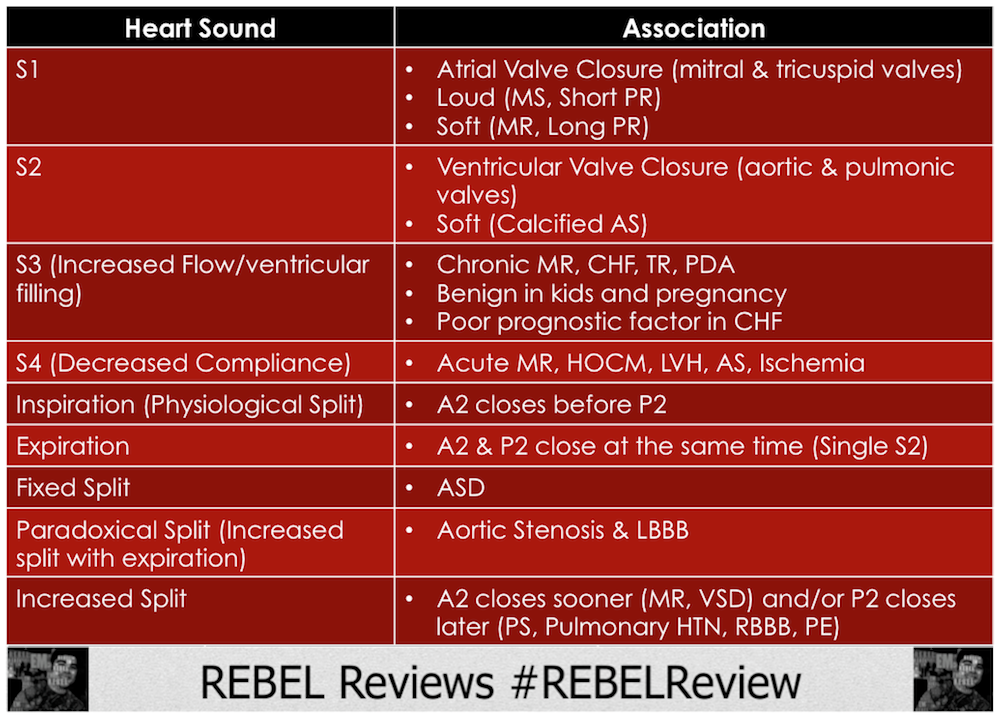
Next, we can take a look at the normal Vs abnormal sounds for a heart:
[Source: Wikipedia]
Curious to what these abnormal sounds can signify?
In simple terms:
Stenosis is a narrowing
Regurgitation is leaking
Here's part one of a very interesting video:
Finally, we looked at ECGs - Electrocardiogram
Which is the "recording of electroactivity of the heart using electrodes placed over the heart, wrists and ankles"
What can effect it?
Heart rate monitoring
Arrhythmias
Disorders in the activation sequence
Increased thickness
Myocardial ischemia and infarction
Drugs
We monitor them through a series of waves:
Then, we look at the heart's electrical system:
Finally, here's a great video of ECG cardiac arrhythmias
After
experiencing my first exhilarating meeting with all the BrightMed participants,
it has certainly been an event to remember. Trolleyology was absolutely
amazing, learning about the coagulation cascade was extremely intriguing - the
whole meeting overall was an absolute delight.
I've got
to say, it's hard to appreciate how awesome it is to see all the enthusiastic
children in the lecture theatre. Just today, my mum even said how envious she
is of this educating course - she will even start learning some more too!
I mean,
what can I say about the highlights? It was all so brilliant!
It's very educational
It develops my passion
It even has it's own Twitter page (clearly the most outstanding highlight)
Everything is just so exciting!
However, I'd like to take my time to thank all the staff that are in association with BrightMed. And, of course to welcome everyone to my blog! It will be a wonderful experience, and I can't wait to return. Readers, Have an interest in medicine? Love science, technology, mathematics or languages? Part of the BrightMed experience? A total geek? Read my blog, because you will (hopefully) enjoy it (Not that I want you to read my blog, that's totally irrelevant)
Honestly, I hope you will enjoy the future posts - I know I enjoy writing them!